Innovative Agrivoltaics: Powering Sustainable Communities

Agrivoltaics is not just a buzzword; it represents a transformative approach to land use that combines agriculture and solar energy production. As the world grapples with climate change and the need for sustainable energy solutions, agrivoltaics emerges as a viable option to meet these challenges. This blog post explores the concept of agrivoltaics, its benefits, real-world applications, and how it can power sustainable communities.

Understanding Agrivoltaics
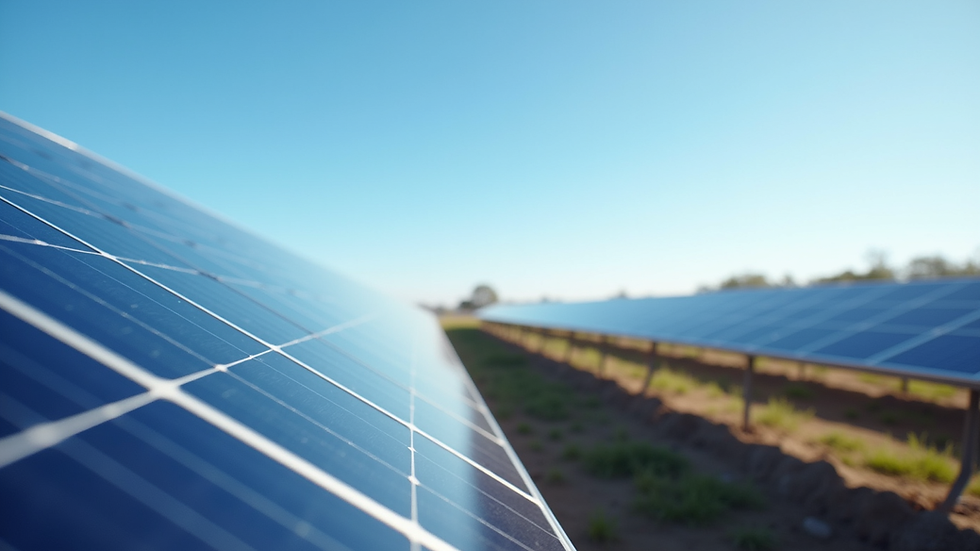
Agrivoltaics refers to the simultaneous use of land for both agriculture and solar energy generation. This dual-use system allows farmers to grow crops while generating renewable energy, maximizing the utility of the land. The concept is simple yet powerful: by placing solar panels above crops, farmers can produce electricity without sacrificing valuable farmland.
The Science Behind Agrivoltaics
The technology behind agrivoltaics is based on the principles of light management and crop growth. Solar panels are designed to allow some sunlight to pass through, which can benefit certain crops. This setup can create a microclimate that protects plants from extreme weather conditions, such as excessive heat or heavy rainfall.
Benefits of Agrivoltaics
Increased Land Efficiency
Agrivoltaics allows for the dual use of land, which is particularly important in regions where arable land is limited. By generating energy and producing food simultaneously, communities can maximize their resources.
Sustainable Energy Production
Solar energy is a clean, renewable resource that can significantly reduce carbon emissions. By integrating solar panels into agricultural practices, communities can contribute to a more sustainable energy future.
Enhanced Crop Yields
Studies have shown that certain crops can thrive under solar panels due to the shade they provide. This can lead to improved yields and reduced water usage, making farming more efficient.
Economic Opportunities
Agrivoltaics can create new revenue streams for farmers. By selling excess energy back to the grid, farmers can diversify their income and improve their financial stability.
Resilience to Climate Change
As climate change continues to impact agriculture, agrivoltaics offers a way to build resilience. The protective shade from solar panels can help crops withstand extreme weather events.
Real-World Applications of Agrivoltaics
Several successful agrivoltaic projects around the world demonstrate the potential of this innovative approach. Here are a few notable examples:
1. The Solar Farm at the University of Arizona
The University of Arizona has implemented an agrivoltaic system on its campus, where solar panels are installed above rows of crops. This project not only generates renewable energy but also serves as a research site to study the effects of solar shading on crop growth. Early results show that crops like lettuce and tomatoes thrive under the panels, leading to increased yields.
2. The Agrivoltaic Project in France
In France, a large-scale agrivoltaic project has been developed in the region of Occitanie. This project features solar panels installed over vineyards, allowing grape growers to produce wine while generating electricity. The panels provide shade that helps protect the grapes from sunburn, improving the quality of the wine produced.
3. The Solar-Powered Greenhouses in Japan
Japan has embraced agrivoltaics by integrating solar panels into greenhouse structures. These solar-powered greenhouses not only produce energy but also create a controlled environment for growing high-value crops. This innovative approach has led to increased productivity and sustainability in Japanese agriculture.
Challenges and Considerations
While agrivoltaics presents numerous benefits, there are challenges to consider:
Initial Investment Costs
The installation of solar panels can require significant upfront investment. Farmers may need financial assistance or incentives to adopt this technology.
Land Use Conflicts
In some regions, land use for solar energy may conflict with agricultural needs. Careful planning and community engagement are essential to address these concerns.
Technical Expertise
Implementing agrivoltaic systems requires technical knowledge and expertise. Farmers may need training and support to effectively manage these dual-use systems.
Regulatory Hurdles
Navigating the regulatory landscape for solar energy can be complex. Policymakers must create supportive frameworks to encourage agrivoltaic development.
The Future of Agrivoltaics
The future of agrivoltaics looks promising as more communities recognize the potential of this innovative approach. With advancements in technology and growing awareness of sustainability, agrivoltaics can play a crucial role in addressing food security and energy needs.
Policy Support and Incentives
Governments can facilitate the growth of agrivoltaics by providing incentives for farmers to adopt this technology. Financial support, tax breaks, and streamlined permitting processes can encourage more farmers to explore agrivoltaic systems.
Research and Development
Ongoing research is essential to optimize agrivoltaic systems for different crops and climates. Universities and research institutions can collaborate with farmers to develop best practices and innovative solutions.
Community Engagement
Engaging local communities in agrivoltaic projects is vital for their success. By involving farmers, local governments, and stakeholders in the planning process, projects can be tailored to meet the specific needs of the community.
Conclusion
Agrivoltaics represents a powerful solution for creating sustainable communities. By integrating solar energy production with agriculture, we can maximize land use, enhance food security, and contribute to a cleaner environment. As we move forward, it is essential to support farmers in adopting this innovative approach and to continue exploring the potential of agrivoltaics in various contexts. The future of sustainable agriculture and energy is bright, and agrivoltaics is at the forefront of this transformation.
By embracing agrivoltaics, communities can take meaningful steps toward a sustainable future, ensuring that both food and energy needs are met for generations to come.

Comments